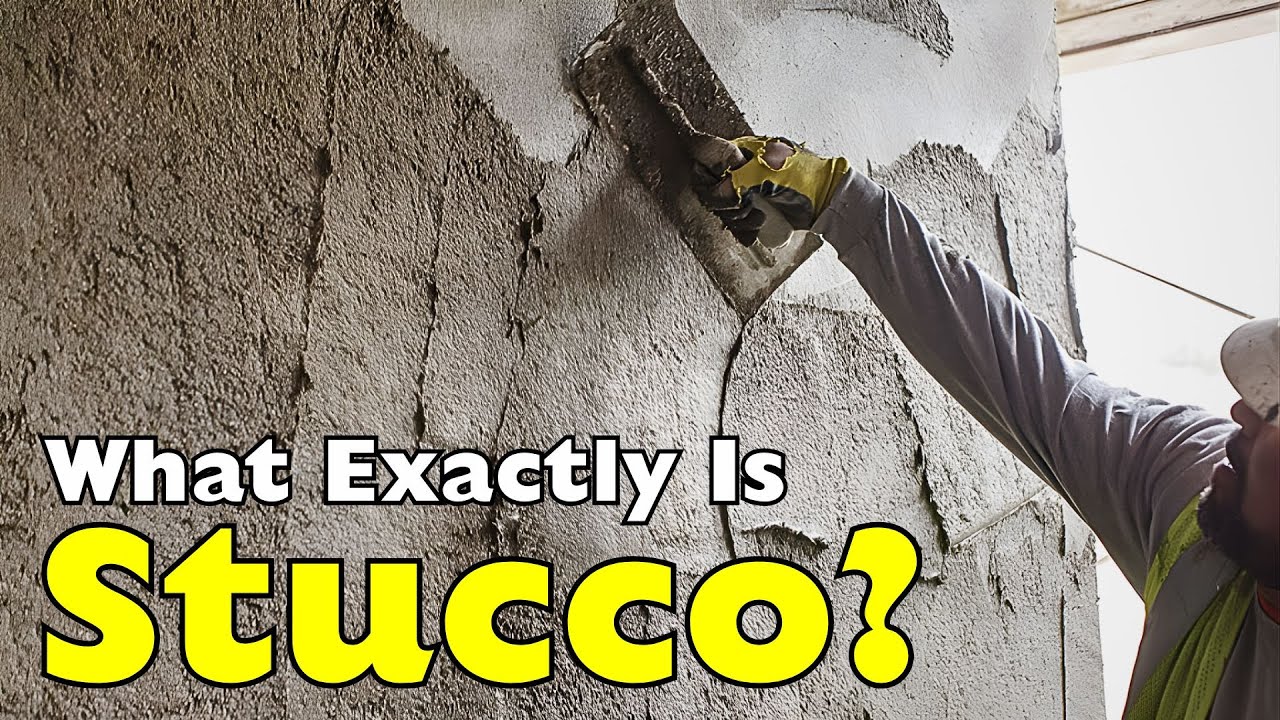
Stucco has graced structures for millennia, a testament to its enduring beauty and robust functionality. This versatile building material, often synonymous with classic Mediterranean or Southwestern aesthetics, is far more than just a decorative coating. It's a meticulously formulated mix designed to protect and enhance, offering a unique blend of benefits for a wide array of architectural styles and applications. From ancient Roman villas to contemporary homes, stucco continues to be a preferred choice for builders and homeowners alike. Understanding its composition, the advantages it offers, and the various ways it can be applied is key to appreciating its timeless appeal and practical value.
What is Stucco? A Deeper Dive into its Composition and Evolution
At its core, stucco is a construction material comprising a careful blend of aggregates, a binder, and water. When applied wet, this mixture hardens into an incredibly dense and solid finish. Historically, the basic composition of stucco revolved around lime, water, and sand. This traditional lime-based stucco offered flexibility and breathability, making it ideal for older masonry constructions and helping to regulate interior humidity. Its slight water solubility even allowed for a degree of self-healing, as lime could redeposit in minor cracks and solidify.
The distinction between stucco, plaster, and mortar has historically been more about application than fundamental ingredients. Until the late 19th century, these materials often shared the same primary components: lime and sand. "Stucco" typically referred to exterior coatings, while "plaster" denoted interior applications. However, in many other languages, like Italian, the term 'stucco' universally covers both. To delve deeper into its origins and fundamental makeup, consider exploring What is Stucco? Exploring Its Composition and Historical Evolution.
A significant shift occurred with the advent of Portland cement in the late 19th century. Its increasing use, especially for surfaces exposed to soil or water, marked a new era for stucco. Portland cement stucco is exceptionally hard and durable, though it tends to be more brittle than its lime-based predecessor and can be prone to cracking if the substrate moves or is improperly prepared. To improve structural properties and workability, modern stucco formulations often include additives such as acrylics and glass fibers. These enhancements contribute to systems like the "one-coat stucco," a departure from the traditional multi-coat methods.
Unveiling the Many Benefits of Stucco
The widespread and enduring popularity of stucco isn't merely historical; it's rooted in a compelling list of benefits that address both aesthetic desires and practical building requirements:
- Exceptional Durability and Weather Resistance: Stucco hardens into a dense, weather-resistant solid, forming a robust shield against the elements. It effectively protects underlying structures from rain, wind, and temperature fluctuations, contributing to the longevity of a building.
- Aesthetic Versatility: One of stucco's most appealing attributes is its incredible adaptability. It can be textured in countless ways—from smooth and elegant to rough and rustic, or even scored to mimic expensive stone or brickwork. Its natural aggregates often impart subtle colors, and pigments can be added to achieve a vast spectrum of hues, providing endless design possibilities.
- Fire Resistance: Stucco offers excellent fire resistance, adding an important layer of safety to both residential and commercial properties. Its non-combustible nature can help slow the spread of fire.
- Sound Insulation: The dense composition of stucco also contributes to superior sound insulation. It can significantly reduce noise transfer from the outside, creating a quieter and more peaceful interior environment.
- Low Maintenance: When properly formulated and applied, stucco is a relatively low-maintenance exterior finish. It resists rot, mildew, and insect infestation, and typically only requires occasional cleaning and periodic inspections for cracks or damage.
- Breathability and Moisture Management: Particularly with traditional lime-based stucco, its excellent permeability allows walls to "breathe." This property helps prevent moisture accumulation both within the wall assembly and inside the building, contributing to healthier indoor environments and preventing structural issues.
- Energy Efficiency: The thermal mass of stucco can contribute to a building's energy efficiency by providing an additional layer of insulation, helping to stabilize indoor temperatures.
Diverse Uses: Where Stucco Shines
Stucco's adaptability means it's suitable for a broad spectrum of applications, enhancing the functionality and appearance of various structures:
- Exterior Wall Coatings: This is arguably stucco's most recognized use. Applied directly onto masonry substrates like concrete, cinder block, or clay brick, or over wood or metal lath on frame structures, it provides a durable, protective, and decorative finish. It's a common choice for homes and commercial buildings seeking an attractive, long-lasting exterior.
- Interior Decorative Finishes: Beyond exteriors, stucco has a rich history as an artistic and sculptural material. It's used for decorative coatings on interior walls and ceilings, enabling intricate ornamental designs and custom textures that add depth and character to indoor spaces. Think of the elaborate reliefs and moldings found in historic architecture.
- Structural and Decorative Reinforcement: Stucco can be applied to a variety of construction materials, including adobe, to offer both aesthetic enhancement and structural integrity. For instance, applying stucco over expanded metal lath creates a robust, continuous surface over less durable substrates.
- Mimicking Expensive Materials: Throughout history, and especially in the 19th century, stucco was widely used to imitate more expensive building materials like cut stone or brick. Its ability to be scored and textured allowed for cost-effective replication, bringing sophisticated aesthetics within reach for more builders.
- Historic Restoration: Given its ancient roots and traditional formulations, lime-based stucco is invaluable in the restoration and preservation of historic buildings, ensuring compatibility with original materials and construction techniques. For a deeper dive into its historical and modern applications, check out The Versatile World of Stucco: From Ancient Times to Modern Homes.
Mastering Stucco Application: Methods and Considerations
The durability and aesthetic appeal of stucco largely depend on its proper application. While the process involves similar steps, there are distinct methods:
Traditional Three-Coat Stucco System
This classic method typically involves three distinct layers applied over a lath (often metal) attached to the substrate:
- Scratch Coat: The first layer, typically about 3/8 inch thick, is applied and "scratched" horizontally to provide a key for the subsequent layer. This coat evens out the wall surface and adheres firmly to the lath.
- Brown Coat (or Leveling Coat): Applied over the scratch coat, this layer is also about 3/8 inch thick and is leveled and smoothed to create a uniform surface. It provides the bulk of the stucco's thickness and strength.
- Finish Coat: The final, thinnest layer (about 1/8 inch) is where the desired color and texture are achieved. This coat determines the aesthetic outcome and provides the ultimate protective surface.
Each coat must cure properly before the next is applied, a process that can take several days, contributing to the system's robustness.
One-Coat Stucco System
Modern advancements have led to one-coat stucco systems, which integrate fibers and other additives directly into the mix. This allows for a thicker single application (typically 3/8 to 1/2 inch) that achieves the necessary strength and resistance in one go, followed by a finish coat for texture and color. While faster to apply, careful attention to curing and substrate preparation remains critical.
Practical Tips for Successful Stucco Application:
- Substrate Preparation is Key: Ensure the surface is clean, dry, and properly prepared. For wood-frame structures, proper lath installation and a weather-resistive barrier are crucial to prevent moisture intrusion.
- Consider Climate: In colder climates, or where significant temperature fluctuations occur, using stucco designed with flexibility-enhancing additives can help mitigate cracking. Proper control joints are also essential for managing expansion and contraction.
- Choose the Right Type: For historic renovations, traditional lime-based stucco may be preferred for its authenticity and breathability. For maximum hardness and modern durability, Portland cement-based stucco is often the choice.
- Professional Application: Due to the intricacies of mixing, application, and curing, stucco is best installed by experienced professionals. Their expertise ensures proper adhesion, uniform thickness, and a durable, aesthetically pleasing finish.
- Maintain Properly: While low-maintenance, regular inspection for cracks and prompt repair can prevent larger issues. Cleaning with a mild detergent and water can keep stucco looking fresh.
In conclusion, stucco stands as a testament to building materials that marry form and function. From its humble origins of lime and sand to modern formulations incorporating advanced additives, its capacity to protect, beautify, and insulate makes it an invaluable asset in construction. Whether seeking to create a classic Mediterranean facade, a contemporary textured surface, or a durable protective coating, stucco offers a versatile and long-lasting solution that continues to shape our built environment.