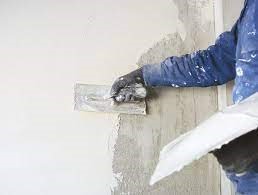
What is Stucco? Exploring Its Composition and Historical Evolution
Often admired for its textured beauty and robust durability, stucco stands as a timeless construction material with a rich history spanning millennia. Far more than just a decorative finish, stucco is a versatile compound applied wet that hardens into a dense, solid layer, serving both aesthetic and protective functions on buildings worldwide. Whether gracing the intricate facades of ancient Roman villas or providing a resilient skin for contemporary homes, its fundamental composition and application principles have evolved while maintaining a remarkable consistency.
At its core, stucco is a mixture of aggregates, a binder, and water. This simple yet powerful combination allows it to be applied to a diverse range of surfaces, from traditional masonry like concrete, cinder block, and clay brick to modern substrates such as metal and expanded metal lath. While often distinguished in English from "plaster" (reserved for interiors) due to its primary use as an exterior coating, it's worth noting that many other languages, particularly Italian, use a single term like 'stucco' to encompass both internal and external applications, highlighting their shared material heritage.
The Anatomy of Stucco: Key Ingredients and Their Roles
Understanding stucco begins with dissecting its basic ingredients. Traditionally, the primary components have been remarkably straightforward:
- Binder: Historically, this was almost exclusively lime. Lime-based stucco is renowned for its flexibility, breathability, and even a limited degree of self-healing due to the slight water solubility of lime, allowing it to solidify in minor cracks. From the late 19th century onward, Portland cement became an increasingly common binder, particularly for surfaces exposed to harsh weather or in contact with soil. Portland cement imparts significant hardness and durability but can be more brittle and prone to cracking if not properly applied or allowed to cure.
- Aggregates: Predominantly sand, but other fine aggregates can be incorporated. The type and color of the aggregate significantly influence the stucco's final texture and natural hue. For instance, different sands can lend warm earth tones, cool grays, or even subtle hints of pink or yellow.
- Water: The crucial catalyst that activates the binder, allowing the mixture to be applied in a workable, wet state before it hardens.
Beyond these fundamentals, stucco formulations have seen various enhancements over the centuries:
- Fibers: In ancient and traditional applications, natural animal or plant fibers were frequently added to the mix. These fibers provided additional tensile strength, helping to minimize cracking and improve the overall structural integrity of the plaster.
- Modern Additives: Contemporary stucco systems often incorporate synthetic additives like acrylics, polymers, and glass fibers. These are typically found in what are known as "one-coat stucco systems," offering improved adhesion, flexibility, crack resistance, and workability compared to traditional multi-coat methods. These additives significantly enhance the material's structural properties and longevity.
A Journey Through Time: The Historical Evolution of Stucco
The use of stucco is far from a modern invention; its roots stretch back to ancient civilizations, proving its enduring value as a building material. Evidence suggests its application dates as far back as Roman architecture, roughly from 200 BCE to 700 CE. In these early periods, stucco was more than just a coating; it was a medium for elaborate decorative reliefs, sculptural artistry, and a vital protective layer for masonry.
Initially, stucco was predominantly lime-based. This composition made it highly suitable for historic masonry construction, allowing walls to "breathe" and adapt to subtle structural movements without catastrophic failure. Its flexibility and permeability helped prevent moisture accumulation within walls, a key advantage in the preservation of ancient structures. During the Renaissance, stucco experienced a resurgence, gracing the interiors and exteriors of grand palaces and cathedrals with intricate ornamentation.
The 19th century marked a significant turning point in stucco's evolution. The 1820s saw the introduction of natural cements, and by the latter part of the century, Portland cement began to be added with increasing frequency. This shift revolutionized stucco's capabilities, making it much harder, more resistant to water, and incredibly popular for covering surfaces in contact with soil or water. Simultaneously, traditional lime plasters used indoors were increasingly being replaced by gypsum plaster, further delineating the material landscape.
By the 19th century, stucco became widely adopted in the United States and Europe, not only for its protective qualities but also for its aesthetic versatility. It was commonly applied over wood-frame structures, allowing builders to mimic the appearance of more expensive materials like cut stone or brick at a fraction of the cost, while also providing a canvas for intricate ornamental designs and various textures.
Stucco vs. Plaster vs. Mortar: Unraveling the Nomenclature
The distinction between stucco, plaster, and mortar can often be a source of confusion, especially given their shared lineage. Historically, the difference lay more in their *application* rather than their fundamental *composition*.
- Before the late 19th Century: It was common for mortar (used to bind bricks or stones), plaster (used for interior wall coatings), and stucco (used for exterior wall coatings) to consist of the same primary materials: lime and sand. The binders were essentially identical, with slight variations in aggregate size or consistency to suit the specific task. Animal or plant fibers might be added to any of them for additional strength.
- Post-19th Century Evolution: This is where the paths diverged more distinctly.
- Plaster: Interior plasters increasingly transitioned from lime-based formulas to gypsum plaster, which offered faster setting times and a smoother finish.
- Stucco: For exterior applications, especially where superior hardness and moisture resistance were needed, Portland cement became a common additive to lime, or even replaced it entirely as the primary binder. This created a much harder, more brittle material than traditional lime stucco.
- Mortar: Continued to evolve with various cementitious binders tailored for specific masonry types and structural requirements.
So, while in English we typically reserve "stucco" for exterior finishes and "plaster" for interior ones, remember that this linguistic division is relatively modern and largely driven by material advancements rather than an inherent, timeless difference in the base compounds. The Italian term "stucco" beautifully illustrates this historical unity, encompassing both internal and external plastering.
Modern Stucco: Innovations and Advantages
Today, stucco remains a highly sought-after material, valued for its blend of traditional appeal and modern performance. Its natural aggregates often impart subtle colors, though pigments can also be added for a vibrant palette. Modern stucco systems, particularly those incorporating acrylics and glass fibers, have streamlined application processes, leading to the rise of "one-coat" stucco systems as an alternative to the traditional three-coat method (scratch, brown, and finish coats). These newer formulations offer:
- Enhanced Durability: Superior adhesion and flexibility reduce the likelihood of cracking and separation.
- Weather Resistance: Excellent protection against the elements, making it ideal for diverse climates.
- Aesthetic Versatility: Stucco can be textured, scored to mimic expensive stone, or left with a smooth, refined finish, offering endless design possibilities.
- Functional Benefits: Beyond its beauty, stucco provides excellent fire resistance, sound insulation, and when properly formulated and applied, demands remarkably low maintenance.
Practical Tips for Stucco Longevity:
- Proper Application is Key: Ensure it's applied by experienced professionals who understand the specific requirements of the stucco system chosen and the local climate.
- Substrate Preparation: The underlying surface must be clean, stable, and correctly prepared to ensure optimal adhesion.
- Moisture Management: Proper flashing and drainage details are critical, especially around windows, doors, and rooflines, to prevent water intrusion behind the stucco.
- Regular Inspection: Periodically check for any cracks or damage, and address them promptly to prevent water penetration and larger issues.
Stucco's journey from ancient building sites to contemporary architectural marvels highlights its incredible adaptability and enduring appeal. Its ability to combine robust protection with limitless aesthetic expression ensures its continued relevance in the construction world.
Conclusion
From the humble blend of lime, sand, and water, stucco has evolved into a sophisticated construction material, adapting to technological advancements while retaining its fundamental appeal. Its historical trajectory, marked by shifts from pure lime to Portland cement binders, showcases an continuous quest for enhanced durability and performance. Understanding stucco's composition and its rich historical evolution not only demystifies this often-misunderstood material but also underscores its enduring value. Whether you appreciate its ancient heritage or its modern benefits, stucco remains a testament to timeless architectural ingenuity, providing both protective strength and captivating beauty to structures around the globe.